The Case of Hana & Alice: The Curse of Anaphylaxis

hisui_icon_4040 Most of the anime films you are going to see are either based on a manga or the extension of an anime TV series. Many anime are based on myths and historical events. Even most of the Ghibli films are based on popular books. On rare occasion you will even see an original story not based on anything. But interestingly enough one of the rarest origins of animated movies has to be taking a live action series and making it an anime. If anything the opposite is almost always the way things go especially with popular josei manga and anime. It is common enough that we have a section for anime that are being turned into live action series in the monthly Line-Up post. Overall it is not that odd when you think about it. You would be thrown off if someone told you the Sex and the City or Breaking Bad prequel was going to be made as a cartoon.

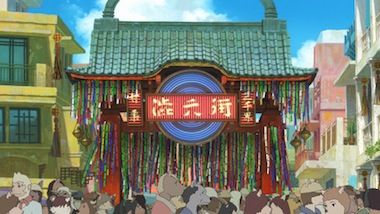
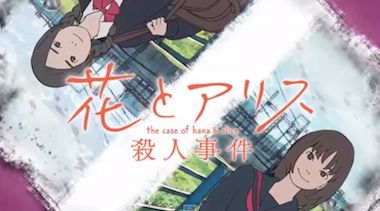
But despite its relative rarity The Case of Hana & Alice is an instance where the anime is actually a prequel to a live action movie. Actually it is a prequel to a live action movie that is based on a series of short films that were made to be Kit Kat commercials. The unusual path to this anime ripples through all of its production from its combination of CG and rotoscoped animation to its idiosyncratic pacing. Yet in the end it uses all of this to explore a quirky character study of friendship and acceptance.

If anything this seems like a lot of time, effort, and technology to tell a story in animation that might otherwise be far more easily told with far simpler live action techniques. Was all of this worth it?

narutaki_icon_4040 Since The Case of Hana & Alice is a film that acts as a prequel to an already existing live action movie, a live action movie that neither of us have seen, the true test of this story would be whether it could stand on its own.
Continue reading

Kizumonogatari Part 1: Tekketsu – Kate’s Kryptonite

hisui_icon_4040 It is easy to assume Kate and I have near identical tastes when it comes to anime. If you look at our My Anime List profiles you would see that Kate and I have remarkably similar lists. While there is clearly a bit more Type-Moon stuff on my list and a bit more shoujo romance on Kate’s list I don’t have anything close to the same compatibility with anyone else on my friend’s list. The fact that we don’t really bicker about shows in reviews like Siskel and Ebert only reinforces that idea. But if you have been coming here long enough you will notice that we each have our own distinct taste that can really show how differently we view things. A title like Kizumonogatari demonstrates that brilliantly. I can’t think of an anime movie that I would casually watch that Kate would dislike more.

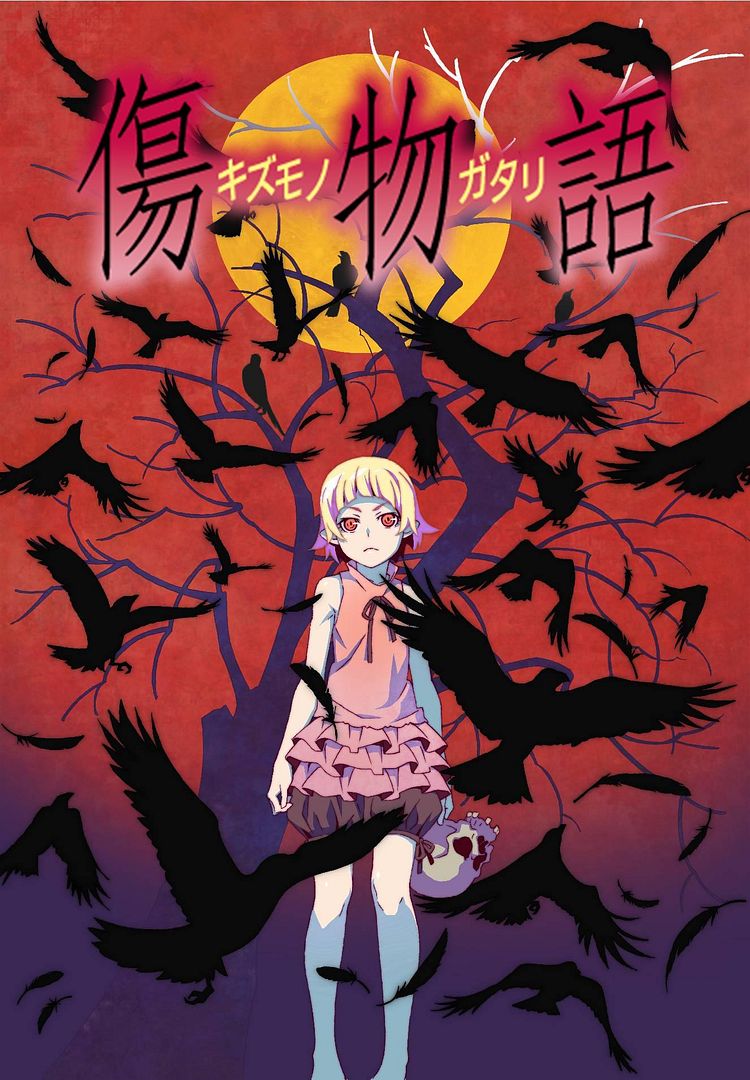
In many ways Kizumonogatari is probably a near perfect checklist of things that Kate hates in one package. A series about vampires and controlling women directed by Akiyuki Shinbou based on a book by Nisio Isin that has nothing but bad puns. The fact that the series has incest and lolicon themes in its harem antics only seals the deal. It would take dog murder and blatant misogyny for her to hate this series more. She might rage over something like The Rising of the Shield Hero or No Game No Life more for how deeply they commits to the elements that Kate hates but there is absolutely no element of Kizumonogatari to bring Kate anything close to feeling of enjoyment. It seems more like a phony title you would make up centering around the worst thing for Kate to watch.

I on the other hand am hardly the biggest fan of the Monogatari series but considering I have watched 77 episodes of this series I guess I am in it to win it at this point. (I have not watched any Koyomimonogatari at this point it time. I assume it will eventually get licensed so I can watch it streaming somewhere.) So if you’re wondering why Kate is not reviewing this now you have your answer.

All that is left is for me to give my impression of the movie. 

Continue reading

The Boy and the Beast: Heart Of Sword

hisui_icon_4040 One of the problems with success can be that it sets a baseline that can be very hard to live up to. That makes sense. When you have a big hit audiences often don’t just want what the liked with a twist. They want your next work to be bigger, better, deeper, broader, and richer. Anything less can be seen as a failure or step backwards. It can also lead to sequels and follow-up works that overreach their bounds trying to outdo their simpler predecessor. It often leads to big bloated affairs that are merely a pale imitation of what worked. J. D. Salinger and The Catcher in the Rye or Dave Chappelle and Chappelle’s Show are prime examples where an artist was so successful that they run away from the spotlight out of fear that they could not follow-up their big profile success.

Mamoru Hosoda has a lot of high-profile successes. I actively have to rack my brain to think of negative reviews for The Girl Who Leapt Through Time and Summer Wars and all of his films are practically magnets for awards. He is a name that often get brought up when people ask who the next Hayao Miyazaki will be. Heck, even we brought up that idea on the blog. That means lots of eyes are all over whatever he does comparing it what he has done before, what all the best animators in Japan are doing, as well as just putting up his work against the best animation from around the world. You don’t really get that sort of critical analysis if you’re doing the latest Jewelpet movie. This can put a lot of pressure on a director and a movie.

If anyone can live up to that heavy burden it would be Mamoru Hosoda. The real question is not if Hosoda has the potential to overcome this wall of expectations. It is rather can this particular movie do it?

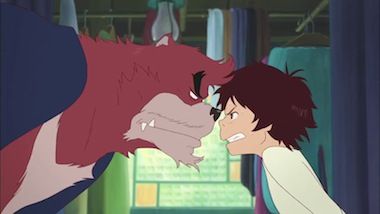
narutaki_icon_4040 The Boy and the Beast marks a departure from Mamoru Hosoda’s other original theatrical releases. The Girl Who Leapt Through Time, Summer Wars, and Wolf Children were written by or co-written with Satoko Okudera in which Mr. Hosoda worked on the concept and helmed the director’s chair. In the Boy and the Beast Mr. Hosoda also became its sole writer.

Continue reading