If you have any suggestions for what to highlight on an APB drop us a line via email or Twitter.
 Hisui’s picks:
- As if the Belmont Family Did Not Have Enough Problems
Dracula is back and this time he is in ASCII form. An amusing little world puzzle game with a bit of Metroidvania thrown in for good measure. - With All Your Favorite Batman Villains Like Colonel Sulphur and The Penny Plunderer
An amazing chart with almost every Batman villain on it. Everyone from the majors like the Joker to Johnny Karaoke. They are broken down into connected groups so you can see how many villains with royal titles are also animal themed. Fun for any obsessive DC fan. - The Return of Kill em’ All Terry Nation’s Sci-Fi Series, Blake’s 7
As with any reboot I am always apprehensive but I did enjoy the original series. Blake’s 7 is the story of a small band of freedom fighters against a galactic empire that was always a provocative story. I am curious who they cast as Avon. As THE fan favorite character if he is not cast well the show is pretty much doomed to failure. A good Avon does not make a good reboot. But a bad Avon squashes any chances the reboot ever had. - Otakon 2012 Round Up
- Popping Your Otakon Cherry: What happens when you take a very casual anime fan (but a general hardcore geek) and throw them into their first Otakon?
- (Set to the tune of “Make My Day” by Pico) – Otakon is a 0/1 day, 2 day, 3 day, wrap up day con: Omo’s Otakon adventures.
- The Writer, the Performer, and the Staffer: Three very different interviews from Anime Diet.
- Mostly Crying Freeman but also some Otakon: Dave, Joel, and Daryl mostly talk about Crying Freeman but they sneak some Otakon talk in there.
- Listmania®: The lists for Great Anime Openings and Anime’s Craziest Deaths from the AWO panels.
- Love and Robots: Carl Li interviews Nonaka Ai and Tenjin Hidetaka.
- More Moe than you can Manage at Otakon: One, two, three, four. five, and six comics that capture the Otakon spirit.
- Otakon War Stories: Otaku Generation vs. Otakon 2012. Being staff gives you a very different con report.
- Type-Moon Round Up
- I Keep Forgetting to Post This: Pixiv had a 10th anniversary contest for Type-Moon and some of the submission were amazing.
- Hide Your Shame With Fate/Zero: You can use Madoka or Index as well.
- Red Saber is the Best Servant: Unless you are Narutaki and then all you care about is Gilgamesh. But these are some solid previews for Fate/Extra CCC.
- Return of the King: Not much Type-Moon news out of Wonderfest but they are reissuing the variant Saber Lily ~Golden Caliburn~ from the Good Smile Company.
- Rin and Luviagelita Help Offset the Loli: More Fate/Kaleid Liner Prisma Illya promo art.
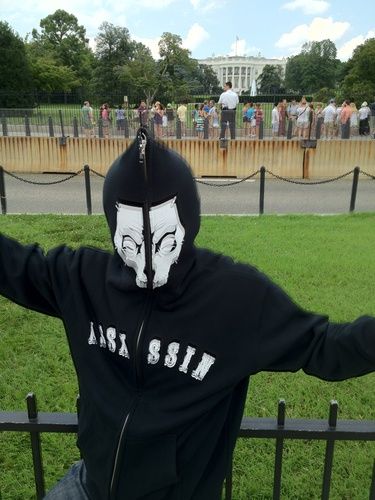
- An Assassin on the Grassy Knoll: Gen Urobuchi is up to some unusual mischief in Washington DC.
 Narutaki’s picks:
- My Peoples, the Disney Movie That Almost Was
This 2D and CG combination production got pretty far along before it was shelved permanently. Romance, folk art, bluegrass music, and the Appalachians looked poised to be Disney’s next masterpiece until they declared “2D is dead.”
- Start Talking Video Game Industry!
Great article about the lack of communication between companies and gamers. Companies are so tight-lipped they are creating nothing but ill-will with gamers but maybe it isn’t too late. The author brings up just how arbitrary some “no comment” answers are as well as emphasizing that transparency would result in less anger when things go wrong with a title. I really like the article because it stays away from sarcasm and cynicism despite how frustrating the topic is. - Typography & Superheroes
My graphic design heart really enjoyed these little art pieces. - Ra’s Al Ghul + Scarecrow + Joker + Two-Face = Bane
This is a closer look at Bane as the final villain of Nolan’s Batman trilogy, spoilers of course.

In honor of the most unexpected Fate/Apocrypha cosplayer at Otakon:



 Reverse Thieves