
 Well done serial adventures like Flash Gordan and the Lone Ranger work best if they are addictive. They should engage the audience in a way that even after giving you some amount of resolution keeps you coming back again and again. Guin Saga is no exception to this rule, the first book tells a complete story but it is a very small piece in the grandiose epic of Guin discovering who he is, what he was meant to do, and being totally awesome while he does it. The next four books keeps up the constant forward momentum of Guin and his companions in the next leg of the journey. When you finish one book you will often be surprised how quickly you find yourself wanting to move on to the next.
 Once I got my hands on the rest of the Guin books released from Vertical, it was a short time before I was finished and wanting more. We decided to review the rest of the Marches Episode of Guin together because a lot that is going on is very transitional especially in the second and third installments. This is by no means a complaint or a determent to the series, it is just a fact in a multiple volume story that some books will fall into this section of moving the story along without having any huge incidents. However, Kaoru Kurimoto is able to keep you on your toes the entire time with a rapid pace and varying points of view.
Like an good serial adventure we ended with our heroes in mortal peril (i.e. jumping into the churning waters of the deadly Kes River) after escaping the castle of the Black Count. They obviously survive the fall and soon find themselves with Istavan Spellsword running into the twisted wasteland known as Nospherus. Guin and company soon find themselves between the monstrous denizens of Nospherus and a large contingent of Mongauli soldiers led by the beautiful Lady Amnelis. Guin must find a way to marshal the inhabitants of Nospherus to drive off the army intent on killing them all, taking the twins of Parros, and annexing the wastelands. Guin is outnumbered and outgunned but he’s Guin, fate would not have it any other way.
It becomes quite clear as our band of heroes makes their escape from the Monguali army that Nospherus is a hellish place. However, as they start to understand it, they begin to use it to their distinct advantage with the help of the Sem barbarian tribes. Even though Guin is on the side of the Sem (and really all the inhabitants of Nospherus) it is always an uphill battle that requires cunning, supreme strategy, and a bit of fate’s guidance. The final battle still had a lot of surprises in store and while the overall outcome was what I expected, getting there and what was sacrificed was not. Once again the storytelling of Guin Saga really shines when it can lead you to understand characters but not predict the entire story to follow.
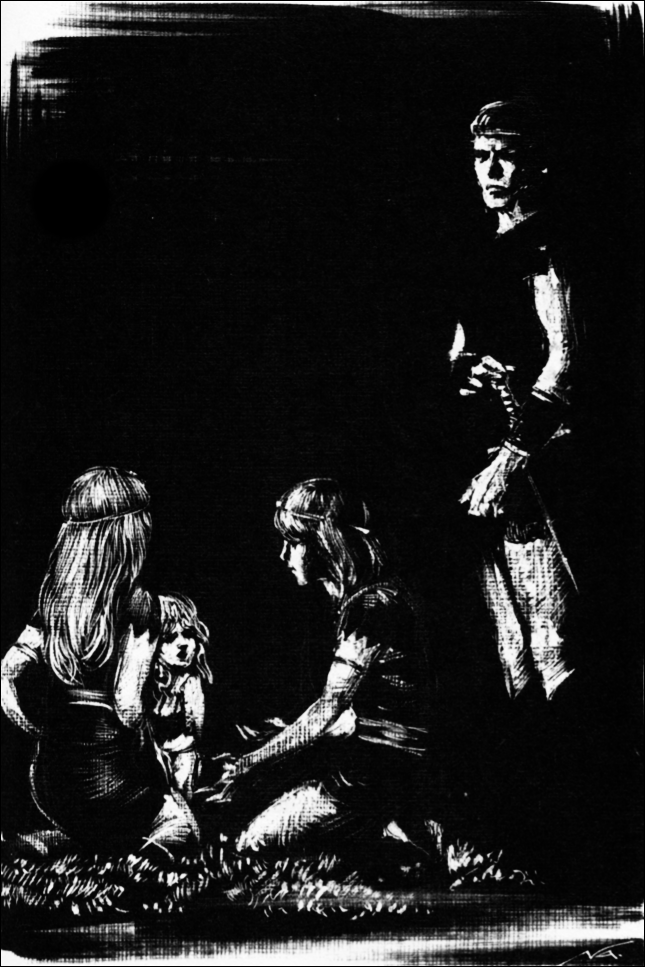

 Reverse Thieves